
Composting is one of the easiest and most impactful ways to reduce your household waste, enrich your garden, and contribute to a healthier planet. By turning food scraps and yard waste into nutrient-rich soil, you not only divert organic matter from landfills but also give back to the earth in a meaningful way. Whether you live in a house with a big backyard or a small apartment, composting is accessible with the right approach. Here’s everything you need to know to get started—and do it right.
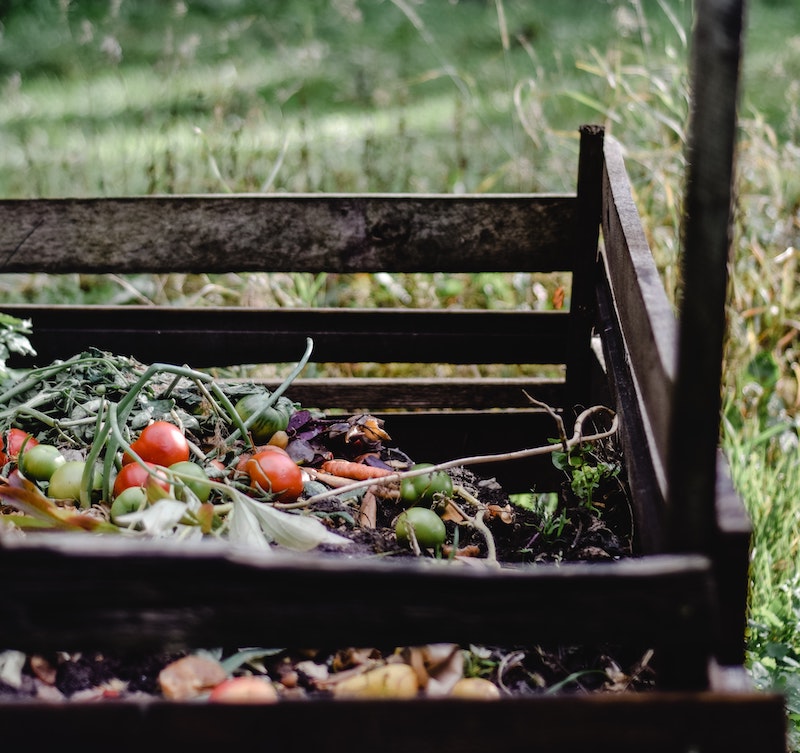
Why Should You Compost?
There are plenty of reasons why it’s important to compost. Some of them include:
- Reduces waste and lowers methane emissions – Up to 30% of household waste is organic material that could be composted! Instead of sending food scraps to the landfill to produce methane gas, composting gives these materials a second life.
- Enriches soil naturally – Compost improves soil structure, moisture retention, and nutrient content. Especially for those who garden, it’s a no brainer to start composting.
- Supports biodiversity – Compost nurtures beneficial microorganisms and worms, which are vital for healthy soil ecosystems. A small but powerful way to support biodiversity in your backyard.
What Can Be Composted?
The items that can be composted are broken down into two groups: “greens” and “browns”. The “greens” are nitrogen-rich materials like fruit and vegetable scraps, plant trimmings, fresh grass clippings, etc. In comparison, the “browns” are carbon-rich materials such as dry leaves, shredded cardboard, etc. Things like meat, bones, dairy, and oily foods should NOT be composted.
How to Compost: Step by Step
1. Choose your compost style
- Outdoor bin or pile: Great for backyards as it allows for large volumes and natural decomposition.
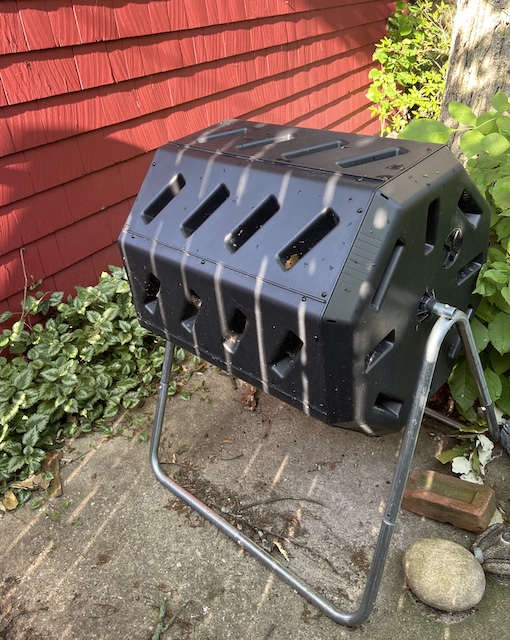
- Tumbler: A compact, enclosed option for faster composting. I love my tumbler compost bin!
- Indoor compost bin or bokashi system: Ideal for small spaces and apartment dwellers.
- Vermicomposting (worm bin): Perfect for indoor use with minimal odor.
2. Balance “greens” and “browns“
A healthy compost pile needs the right balance of nitrogen and carbon (recommendation is 1 part green to 2 or 3 parts brown) Too much green material can lead to a smelly, soggy pile. On the flip side, too much brown can slow down decomposition.
3. Turn or stir regularly
Aerate your compost pile by turning it every 1–2 weeks. Oxygen is crucial for the microbes that break down organic matter efficiently and without odor.
4. Keep it moist (but not wet!)
Your compost should feel like a wrung-out sponge. If it’s too dry, add water or more greens. If it’s too wet, add browns like dry leaves or shredded paper.
5. Wait and harvest
In about 2 to 6 months (depending on conditions), your compost will turn into dark, crumbly, earthy-smelling soil—rich in nutrients and ready for use in your garden or houseplants. Enjoy your fresh compost!
Additional Composting Tips for Success:
Give yourself grace with you start out, as it can be tricky to get the balance right at first. For those who choose a backyard bin, it can be helpful to keep a compost container on your kitchen counter for easy scrap collection. Or, freeze your food scraps if you can’t add them right away to reduce the smell and avoid any unwanted pests.

Composting is a simple habit with powerful environmental benefits. By transforming your food and yard waste into something productive, you’ll reduce your impact on the planet while giving your plants the nourishment they deserve. Whether you’re a seasoned gardener or just starting your sustainability journey, composting is a meaningful step toward a more eco-conscious lifestyle. Do you compost yet?? Comment below!
Love,
Jenna ♥


What a fantastic post. It is so informative! Thank you for everything you do here <3